National average is around 53%. Highest Category B car-only centre is Kilkenny at 68.4%. Lowest is Charlestown in North Dublin at 36.8%. Dún Laoghaire is the best Dublin centre at 52.8% — the only one above the national average. In H1 2024, 18 centres recorded pass rates below 50%, almost all in urban areas. The gap is explained by traffic complexity, not stricter marking — RSA marking standards are identical nationwide. Switching to a rural centre can measurably improve your odds, but only if you invest in pretest lessons on the local routes.
The national average — ~53% and holding
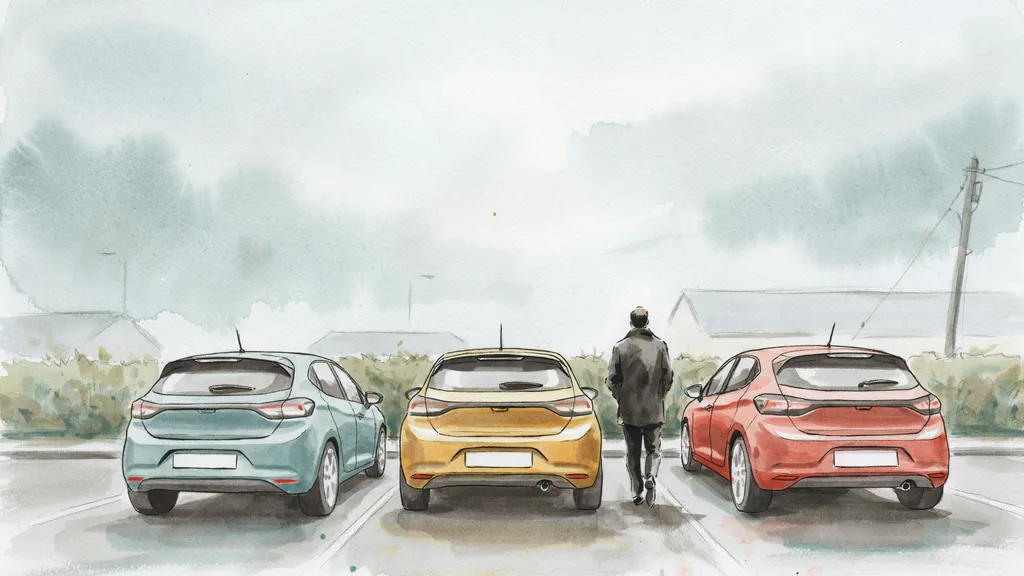
The current national driving test pass rate in Ireland is approximately 53%. This figure has hovered in the 50–53% range for several years with no significant trend shift. The RSA maintains consistency by standardising marking criteria and auditing testers nationally.
Roughly 47 out of every 100 candidates fail first time. In H1 2024 (the most recent centre-by-centre breakdown publicly available, released via parliamentary question), 18 test centres recorded pass rates below 50% — most of them in Dublin, Cork and Waterford.
The headline number hides huge variation. A 21-week wait in Dún Laoghaire and a 1-week wait in Kilkenny average out to a misleading middle — same story for pass rates. See our waiting times guide for how the two metrics interact.
Highest pass rates (H1 2024 RSA data)
Top 3 overall — with a caveat
Three centres look remarkable on paper, but they all conduct truck and bus tests alongside car tests, which inflates their overall pass rates:
| Test centre | Pass rate | Notes |
|---|---|---|
| Tralee | 91.4% | Includes truck/bus tests |
| Birr | 80.5% | Includes truck/bus tests |
| Ballincollig | 73% | Includes truck/bus tests |
Truck and bus candidates (Category C, CE, D, DE) are typically experienced career drivers who pass at far higher rates than first-time car learners. That pushes up the published figure for any centre running both streams. The car-only reality at Tralee, Birr and Ballincollig is a good bit lower than 91%.
Top Category B car-only centres
For Category B (car) tests specifically, these are the highest-performing centres nationwide:
| Test centre | Pass rate | Notes |
|---|---|---|
| Kilkenny (O'Loughlin Gaels) | 68.4% | Highest Category B nationwide |
| Monaghan | 66.3% | — |
| Clifden | 65.7% | — |
| Loughrea | 64.2% | — |
| Thurles | 63.9% | — |
| Carlow | 61.5% | — |
Kilkenny's O'Loughlin Gaels centre at 68.4% holds the official Category B crown. Monaghan, Clifden, Loughrea, Thurles and Carlow all sit above 60% — a noticeable step above the national average and nearly double the worst Dublin centres.
Lowest pass rates
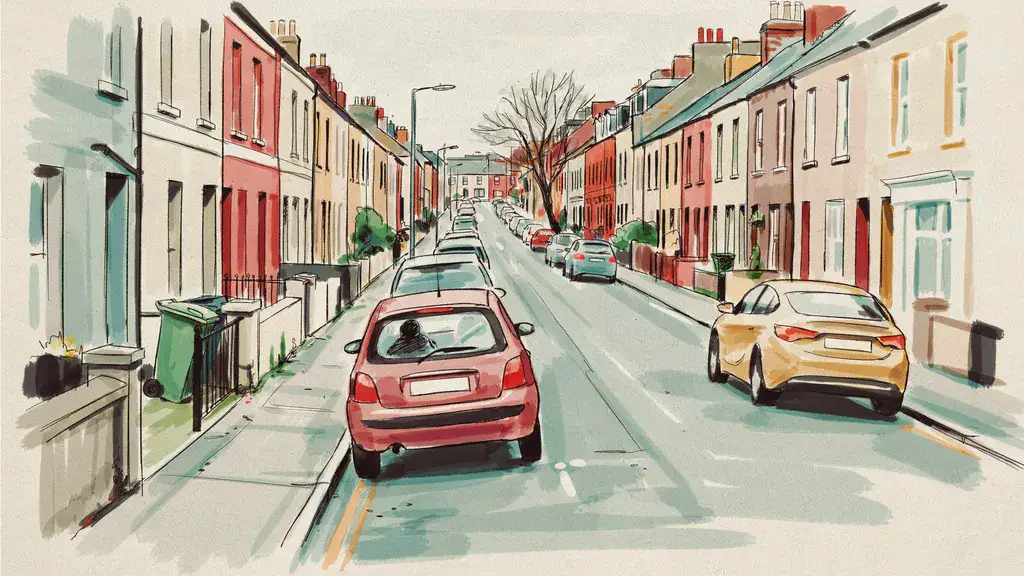
Almost every centre with a pass rate below 50% is in an urban or suburban area with heavy traffic and complex road layouts. In order of worst to least worst:
| Test centre | Pass rate | Notes |
|---|---|---|
| Charlestown (N Dublin) | 36.8% | Lowest nationwide |
| Killester (Dublin) | 37.3% | — |
| Newcastle West | 42.2% | — |
| Waterford | 42.8% | — |
| Wilton (Cork) | 44.4% | — |
| Mulhuddart (Dublin) | 46.3% | — |
| Tipperary | 46.7% | — |
| Dungarvan | 46.9% | — |
| Wexford | 48.7% | — |
Charlestown in North Dublin has been the lowest centre for several years running. At 36.8% it passes barely more than one-in-three candidates. The route features dense suburban traffic, complex junctions, and multiple roundabouts within a short radius. The RSA has confirmed marking criteria are identical to other centres — the difficulty comes from the driving environment itself.
Dublin centres — the full picture
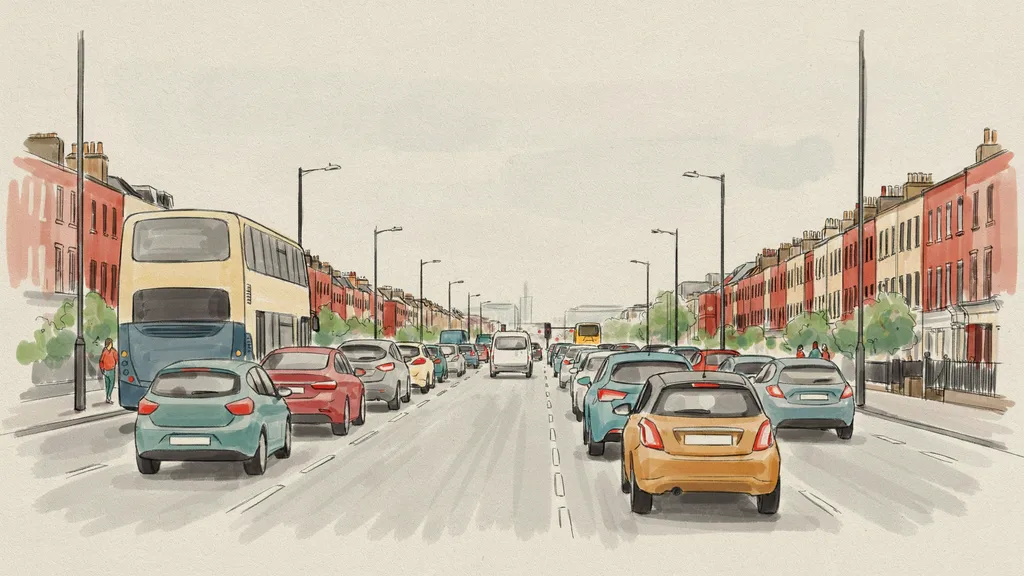
Dublin is the single worst region for driving test pass rates in Ireland. All four main Dublin centres sit below the national average:
| Test centre | Pass rate | Notes |
|---|---|---|
| Dún Laoghaire / Deansgrange | 52.8% | Best in Dublin |
| Mulhuddart | 46.3% | — |
| Killester | 37.3% | — |
| Charlestown | 36.8% | Lowest in the country |
Only Dún Laoghaire / Deansgrange at 52.8% comes close to the national average. It is the single best choice for learners who live in Dublin and want to test locally. See our waiting times guide — Dún Laoghaire also happens to have the longest waiting list in the country at 21 weeks, which is not a coincidence: it is the one Dublin centre everyone wants to book.
Rural vs urban — why the gap exists
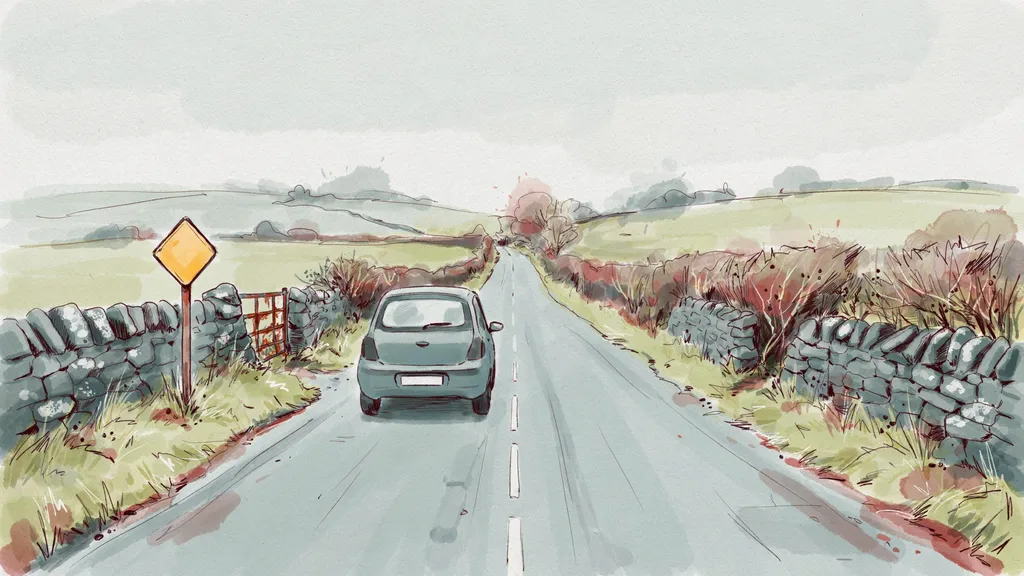
The pass rate pattern is unambiguous: rural centres consistently outperform urban ones. The 30-point gap between Kilkenny (68.4%) and Charlestown (36.8%) is not a small statistical wobble — it is a fundamental difference in outcomes.
The RSA, driving instructors and published statistics all attribute the gap to three factors:
- Traffic complexity. Dublin test routes have more roundabouts, more filter lanes, more pedestrians, cyclists and buses, and higher traffic density than any rural centre. More opportunities for faults. More fast decisions per minute.
- Route difficulty. Urban junction density is far higher. A typical Charlestown route includes multiple multi-lane roundabouts where lane choice, observation and positioning all have to be correct. A typical Kilkenny route includes fewer of those pressure points.
- Candidate preparation. Learners who test in the same area where they did EDT know the routes and hazards. Learners who commute from the suburbs to unfamiliar Dublin centres don't.
Marking standards are not the explanation. The RSA has categorically stated that all testers work from the same Fault Marking Guidelines and are subject to quality assurance. There is no quota system and no centre-level difficulty grading applied to the mark sheet.
Is it worth switching to an easier centre?
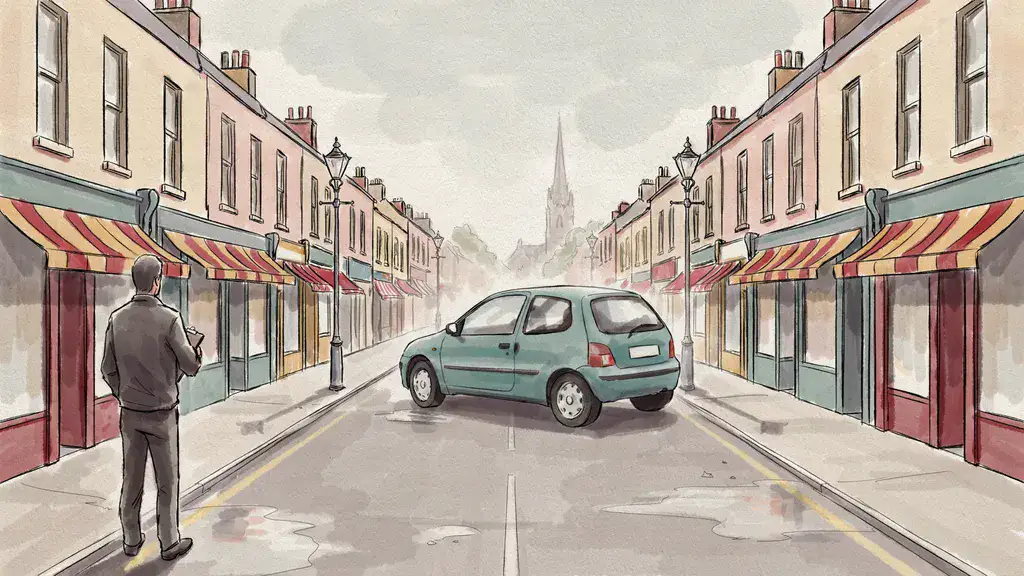
Sometimes yes, sometimes no. Here's an honest trade-off:
Pros of switching
- Measurably better statistical odds
- Shorter waiting times in most rural centres
- Simpler traffic and fewer high-risk junctions
- Same €85 fee, same RSA marking standard
- Legal and common — no residency requirement
Cons of switching
- Unfamiliar roads and test routes
- Travel cost and time on test day
- Pretest lessons in the area add cost
- Test-day nerves in unfamiliar territory
- Not all rural centres have the shortest waits
The single biggest risk in switching is driving routes you don't know. The mitigation is straightforward: book 2–3 pretest lessons with a local driving instructor who knows the test routes. This usually costs €100–€200 and turns the geography disadvantage into a net win.
Historical trend — remarkably stable
The Irish driving test pass rate is one of the most stable motoring statistics in the country. Over the last several years:
- National average: hovering in the 50–53% range year after year
- Top rural centres: consistently 60–70%
- Bottom Dublin centres: consistently 36–47%
- Relative ranking: Kilkenny, Monaghan and Clifden have been near the top for years; Charlestown has been near the bottom for years
There is no upward or downward pattern to speak of. The RSA standardises marking centrally, so changes to the pass rate would only come from changes to the test itself (manoeuvres, route design, marking guidelines) or to the candidate pool (more first-time tests vs resits). Neither has shifted meaningfully in recent years.
Why commercial-mixed centres inflate the numbers
Three centres — Tralee (91.4%), Birr (80.5%) and Ballincollig (73%) — show pass rates well above what any car-only centre achieves. The reason is simple: they also conduct commercial vehicle tests (Category C, CE, D, DE) for trucks, buses and trailers.
Commercial candidates are almost always experienced career drivers sitting a test for an existing profession. They have years of driving experience and specific vehicle training under the Certificate of Professional Competence (CPC) scheme. Their pass rates are well above 80%. When combined with car tests into a single centre total, the commercial stream drags the number up.
For a fair comparison with other centres, you have to look at Category B car tests only — and on that measure, Kilkenny's 68.4% holds the crown.
What the data actually tells you
Pass-rate statistics are useful, but they are not the whole story. Three things to take from the numbers:
- Your centre choice matters. A 30-point gap between the best and worst centres is not nothing. If your odds of passing are 37% in Charlestown but 68% in Kilkenny, the choice of centre changes almost twice the probability of success.
- Your preparation matters more. The gap is driven largely by road complexity, not tester behaviour. A well-prepared Charlestown candidate still passes more often than an unprepared Kilkenny candidate. You can change your preparation; you can't change the routes.
- Switching is a tool, not a shortcut. Moving your booking to a rural centre is legitimate and legal, but it works best when paired with pretest lessons on the local roads. Moving blindly sometimes costs you the advantage you were trying to gain.
See our common reasons for failing the Irish driving test guide for the specific mistakes that account for most of the Dublin vs rural gap — observation, positioning and progress.
Once you pass, odo.ie takes the admin off your plate
Whether you pass at Kilkenny or Charlestown, the admin after you pass is the same: NCT, motor tax, insurance, service, fuel costs. odo.ie is a free car service tracker built in Dublin — it sends email reminders before every renewal, logs every fuel fill-up and service, and subscribes to a calendar feed so your dates appear in Google Calendar or Apple Calendar automatically.