
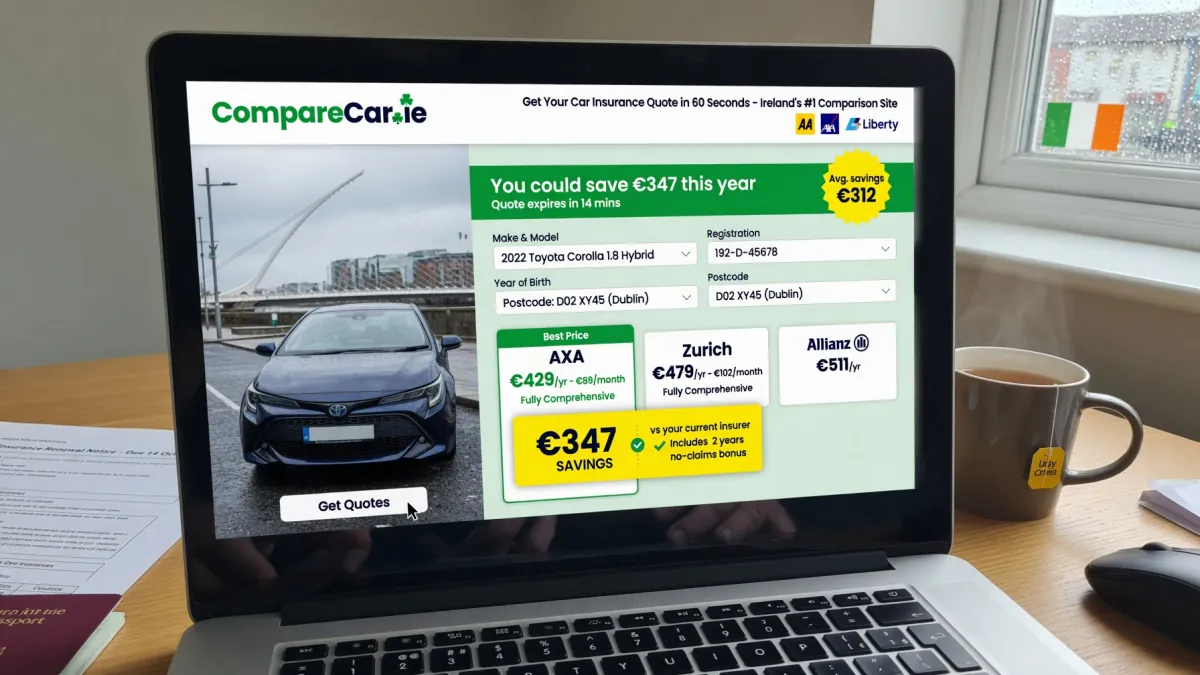
Get at least 5 quotes from comparison sites and direct insurers 3 weeks before renewal. Your no-claims bonus (50–75% discount) is your most valuable asset — protect it. Pay annually to avoid 10–15% in monthly surcharges. Call your current insurer with a cheaper quote — they will often match it. Most Irish drivers can save €200–€400 by shopping around.
How insurers calculate your quote
Every insurer uses a slightly different formula, but they all weigh the same core risk factors. Understanding what moves the needle helps you take action on the ones you can control.
Younger drivers and those with fewer years on their licence pay more. Premiums typically drop significantly after age 25 and again after 30.
Urban areas (especially Dublin) have higher claim rates and therefore higher premiums. Rural addresses can be significantly cheaper.
The biggest single discount. 5–6 years claims-free can cut your premium by 50–75%, saving €400–€1,000+ per year.
Insurers group cars by engine size, power, repair cost, theft rates, and safety ratings. A small hatchback costs far less to insure than a high-powered SUV.
The fewer kilometres you drive, the lower your risk. Agreeing to a realistic low-mileage limit can reduce your quote.
Previous claims — even if not your fault — can increase premiums. Penalty points and driving convictions also push quotes up.
Where you park overnight matters. A locked garage is cheapest. Alarms, immobilisers and trackers can also reduce your quote.
Comprehensive cover costs more than third-party, fire & theft (TPFT), which costs more than third-party only (TPO). But comprehensive is often better value.
Charging existing customers more than new customers for the same risk is known as price walking (or the "loyalty penalty"). Since July 2022 the Central Bank of Ireland has banned it at renewal, so your renewal quote should now reflect your actual risk, not how long you've been with the insurer. In practice renewals still creep up year on year, so you should always compare — different insurers price the same risk very differently.
Two of the biggest factors above — the car you drive and your record on the road — are partially under your control. See our guide to the cheapest cars to insure in Ireland for the makes and models that fall into the lowest insurance groups, and our Irish penalty points guide for which offences push your premium up the most.
Comparing quotes: where to look

Getting multiple quotes is the single most effective way to pay less. Use the same details on each platform to get true like-for-like comparisons:
Platforms like Chill (compares 14 insurers), Bonkers.ie, CompareInsurance.ie, GMIB.ie, and QuoteMe.ie let you compare multiple providers in one search. Each platform has different insurer panels, so try more than one.
Some insurers (like Aviva, AIG, Zurich, Allianz) offer online-only discounts of 10–15% when you go to them directly. Always check the direct price alongside comparison results.
An independent insurance broker can access insurers not available on comparison sites and may find cover for higher-risk profiles that automated systems decline.
Get at least 5 quotes before making a decision. Prices for the same driver and car can vary by hundreds of euros between insurers.
Named driver vs main driver — and the fronting warning
Adding a young or new driver as a named driver on an experienced driver's policy is a legitimate way to build their driving history and can be cheaper than a standalone policy. But there is a critical legal line.
Legitimate named driver
The policyholder genuinely is the main driver of the car. The named driver uses it occasionally. The insurer knows who drives most. This is completely legal and normal.
Fronting (illegal)
The young person is the real main driver, but a parent is listed as policyholder to get a cheaper quote. This is insurance fraud. The insurer can void the policy, refuse all claims, and report both parties.
The Road Traffic and Roads Act 2023 now requires every driver listed on an Irish motor policy to provide their driver number. Insurers can cross-reference this data, making fronting much easier to detect and prosecute.
The voluntary excess trade-off
Every policy has a compulsory excess — the amount you must pay towards a claim (set by the insurer, typically €200–€500). You can choose to add a voluntary excess on top of that to reduce your premium.
| Voluntary excess | Effect on premium | Your total excess on a claim |
|---|---|---|
| €0 | Base price | Compulsory only (e.g. €300) |
| €100 | Small reduction | €400 |
| €300 | Moderate reduction | €600 |
| €500 | Larger reduction | €800 |
Only increase your voluntary excess if you could comfortably pay the total (compulsory + voluntary) out of pocket tomorrow. If a €600 bill would be a problem, keep your voluntary excess low. The premium saving is not worth the financial stress of a claim you cannot afford to pay.
No-claims bonus: your most valuable asset
Your no-claims bonus (NCB) — also called no-claims discount (NCD) — is the single biggest factor you can control. It builds year on year:
| Years claims-free | Typical discount | Annual saving (on €623 avg) |
|---|---|---|
| 1 year | ~30% | ~€187 |
| 2 years | ~40% | ~€249 |
| 3 years | ~45% | ~€280 |
| 4 years | ~50% | ~€312 |
| 5+ years | 50–75% | €312–€467 |
Should you protect your NCB?
Many insurers offer NCB protection for an extra charge. This lets you make one or two claims without losing your bonus. It is worth considering if you have 4+ years built up — losing a full NCB can add hundreds to your renewal.
Even with NCB protection, your premium will still increase after a claim. The protection only preserves the discount percentage for your next renewal — it does not prevent the insurer from repricing your overall risk.
Telematics / black-box policies
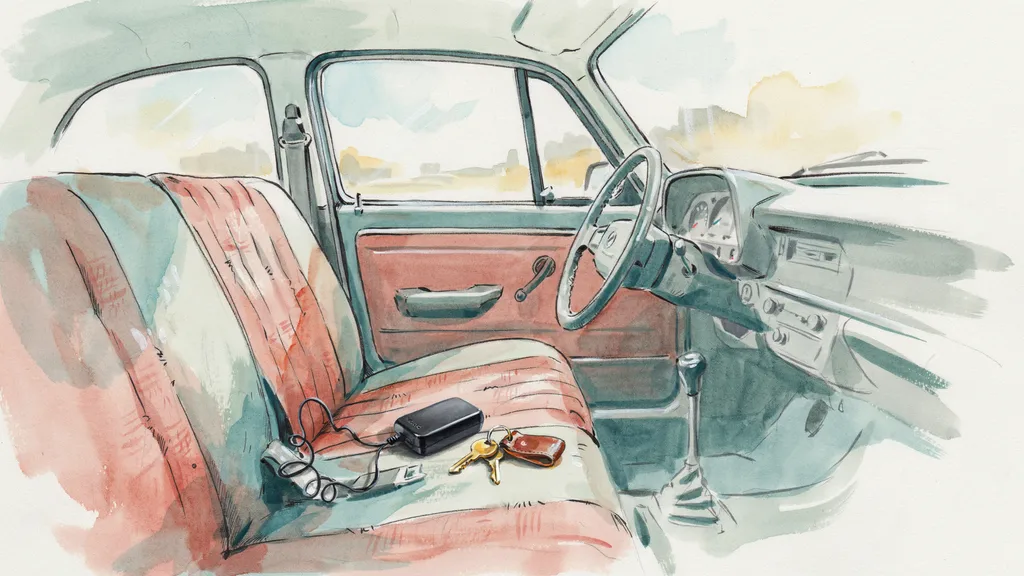
A telematics policy uses a small device fitted to your car — or a smartphone app — to monitor your driving behaviour: speed, braking, cornering, and time of day. Safe drivers earn lower premiums over time.
Who offers telematics in Ireland?
- Aviva — telematics policy for learner permit holders and drivers with zero NCB.
- AIG BoxClever — targeted at young and first-time drivers, with premium rewards for safe driving.
- An Post Insurance — BoxClever telematics option.
- GetSetGo, its4women, First Ireland — also offer telematics options for younger drivers.
Is it worth it?
Good for
Young/new drivers facing high quotes, careful drivers who want to prove their risk is low, parents who want visibility of their child's driving.
Consider carefully
If you drive a lot at night, in urban traffic, or have an irregular schedule. These factors can hurt your telematics score and may not save you money.
Discounts most people miss
EV / eco discount
Some insurers offer up to 10% off for electric vehicles. EVs also tend to be in lower insurance groups due to safety features.
Low mileage
Agreeing to a realistic annual mileage limit (e.g. under 10,000 km) signals lower risk. Be honest — underestimating can void your cover.
Security features
Factory-fitted immobilisers, aftermarket alarms, or GPS trackers can qualify for a security discount. Tell your insurer.
Online discount
Many insurers offer 10–15% off when you buy or renew online rather than over the phone. Check the direct website.
Multi-policy bundle
Combining car and home insurance with the same provider can earn a loyalty or bundle discount.
Advanced driving
Some insurers recognise IAM or RSA-approved advanced driving courses with a premium reduction.
Garage parking
Parking in a locked garage overnight instead of on the street reduces theft and vandalism risk — and your quote.
Dashcam
While not universally discounted yet in Ireland, some insurers factor dashcam footage into claims and may offer a reduction.
Thinking of switching to electric to capture that EV insurance discount and the flat €120 motor tax? Our EV home charging in Ireland guide covers the SEAI grant, install costs and night-rate charging — and our petrol vs diesel vs EV comparison shows when an EV actually pays back versus a comparable petrol or diesel.
Pay annually — the hidden cost of monthly
Paying monthly feels easier on your budget, but it comes with interest and admin charges that add up quickly:
Pay once, save 10–15%.
€60–90 extra in interest over the year.
Set up a dedicated savings account and put €50/month aside. When renewal comes, you will have the lump sum ready and save the 10–15% interest charge.
When and how to switch
Your insurer must send your renewal notice at least 20 working days before your policy ends. Here is the optimal switching timeline:
Start getting quotes from comparison sites and direct insurers. Use identical details everywhere.
Compare the renewal price against your best quotes. Don't auto-renew without checking.
Tell them you have a cheaper quote elsewhere. Many will match or beat it to keep you. If they won't, switch.
Ask your current insurer for written proof of your no-claims bonus. Your new insurer will need it.
Ensure there is zero gap between policies. A gap in cover can affect your NCB and is an offence if you drive during it.
After purchasing a new policy, you have 14 days to cancel for a full refund if you change your mind. This is a legal right.
Track your insurance with odo.ie
odo.ie tracks your insurance renewal date and sends you email reminders at 30, 14, 7 and 1 day before expiry — so you never auto-renew without comparing. Log each year's premium and you can see exactly how your cost has changed over time.